

What Is an OPS PC? Differences Between OPS and Ordinary PCs
10/12/2022
dualcoretech01@gmail.com
What Is an OPS PC?
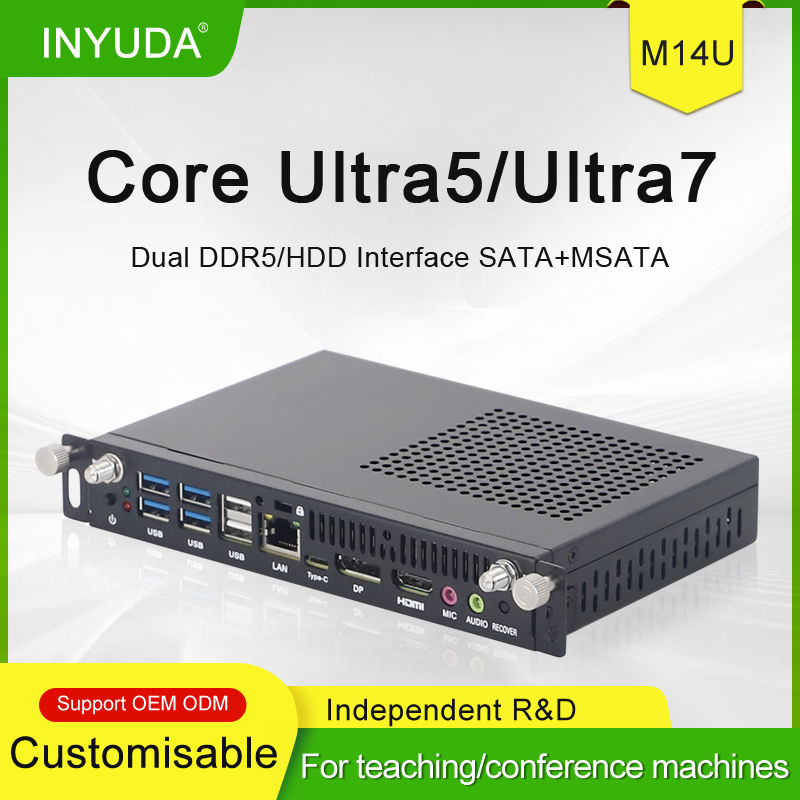
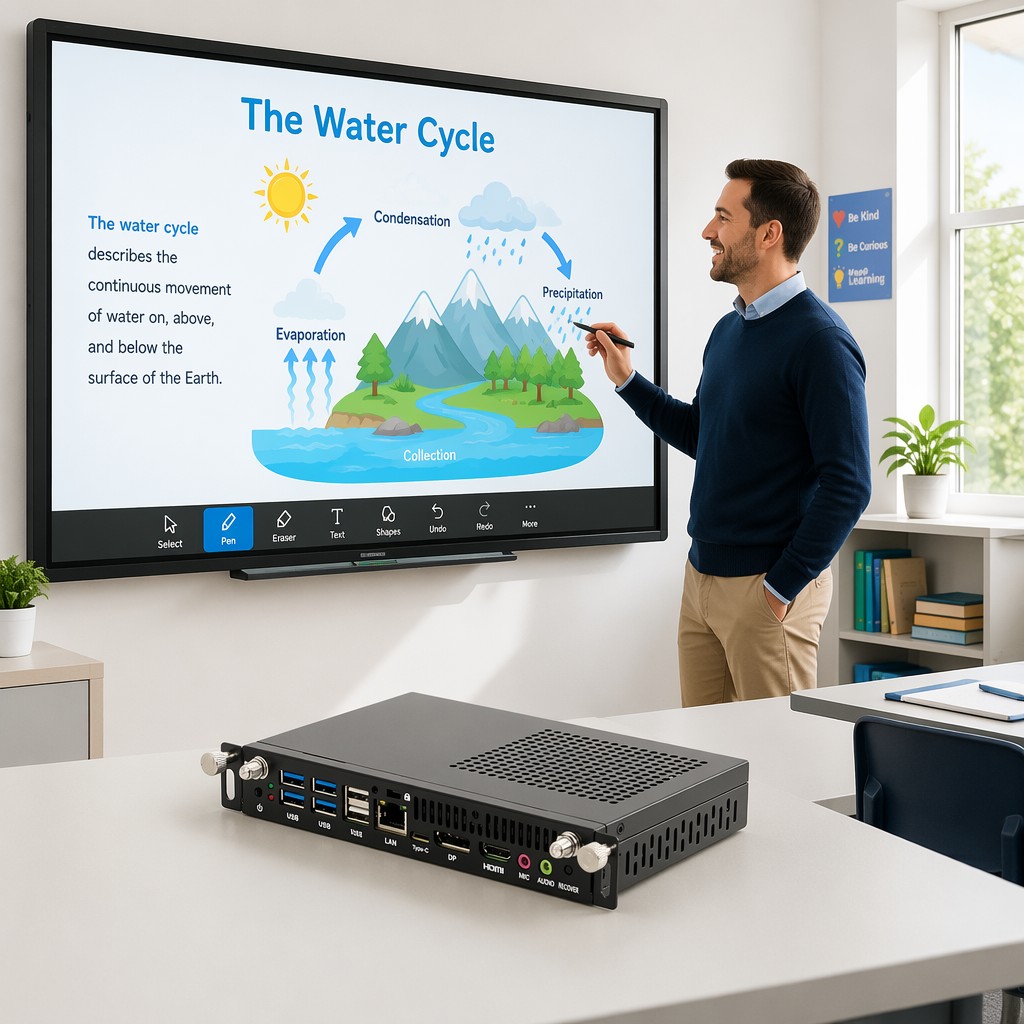
An OPS PC is a customized miniature host with power and display interfaces vastly different from regular desktop computers, so it cannot be used as a standard home PC.
OPS stands for Open Pluggable Specification, a pluggable computing module form factor designed to add computing power to flat-panel displays. This specification was first jointly released by NEC, Intel and Microsoft in 2010.
OPS computing modules can be equipped with Intel or ARM-based CPUs, and support multiple operating systems including Windows XP/7/8/10, Android, Kylin OS and X86 Linux.
The core advantage of deploying OPS PCs in digital signage systems is simplified maintenance: faulty computing modules can be quickly swapped out, drastically cutting downtime and maintenance costs.
OPS PC Standard Dimensions
OPS PCs feature ultra-compact sizing:
- European standard size: 180×119×30 mm
- Domestic Chinese standard size: 180.8×195.2×42.5 mm
Differences Between OPS PCs and Regular Desktops
OPS PCs are custom miniature computing units, most commonly used as the built-in computing module for educational all-in-one displays. Their power and display interfaces are custom-tailored, so modules from different manufacturers are generally incompatible and cannot be interchanged.
Discrete GPU OPS PCs
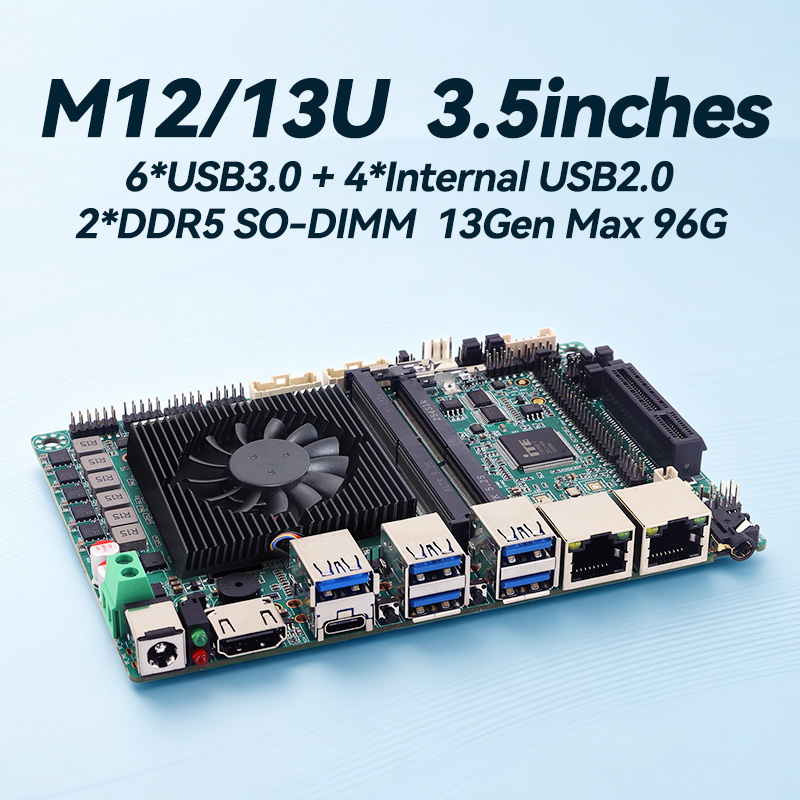
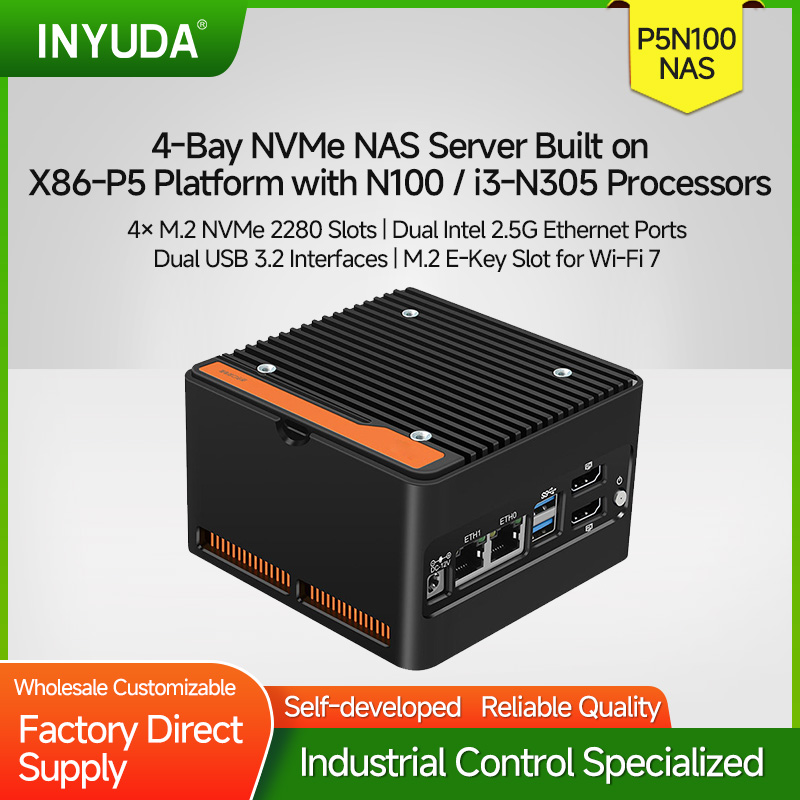
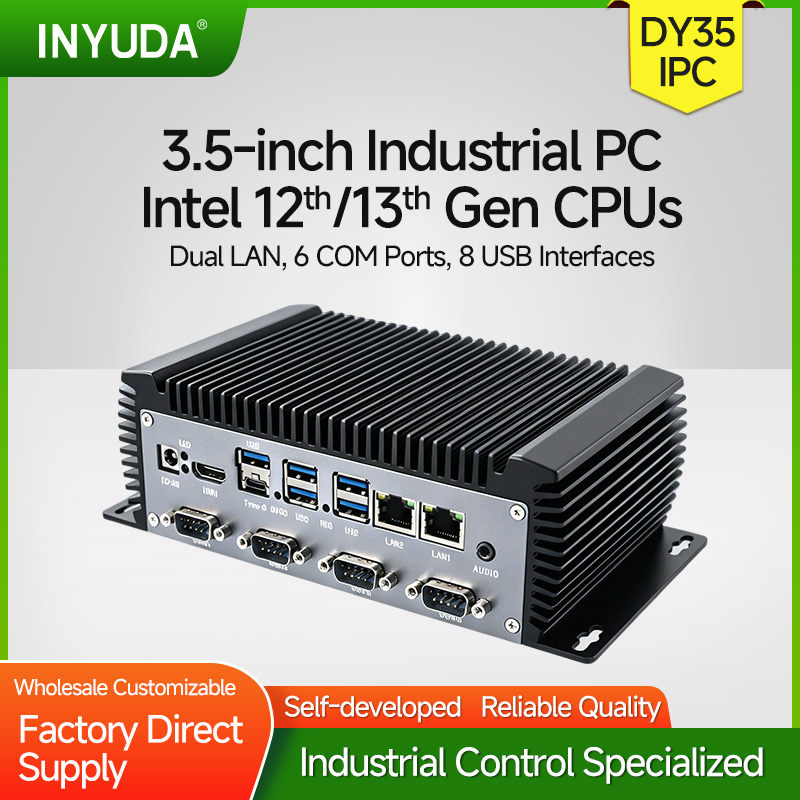
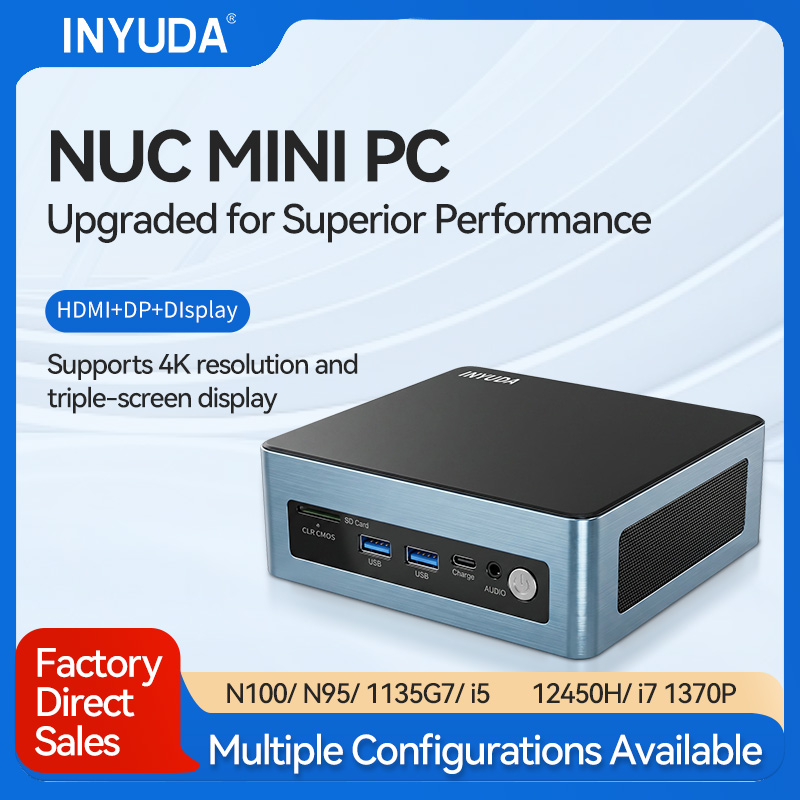
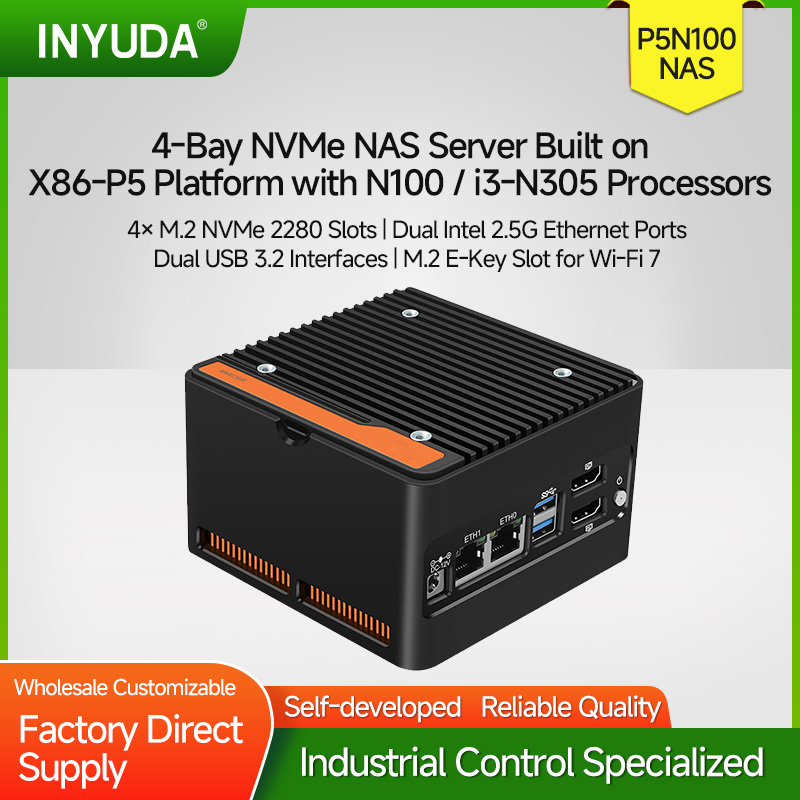
Inyuda develops mini high-definition motherboards, industrial control PCs, thin clients, cloud computing terminals and other professional IT hardware and accessories. Our products are widely applied in all-in-one displays, cloud computing platforms, industrial control systems, intelligent transportation, monitoring equipment, vehicle-mounted computers, advertising players and multimedia interactive conference terminals.

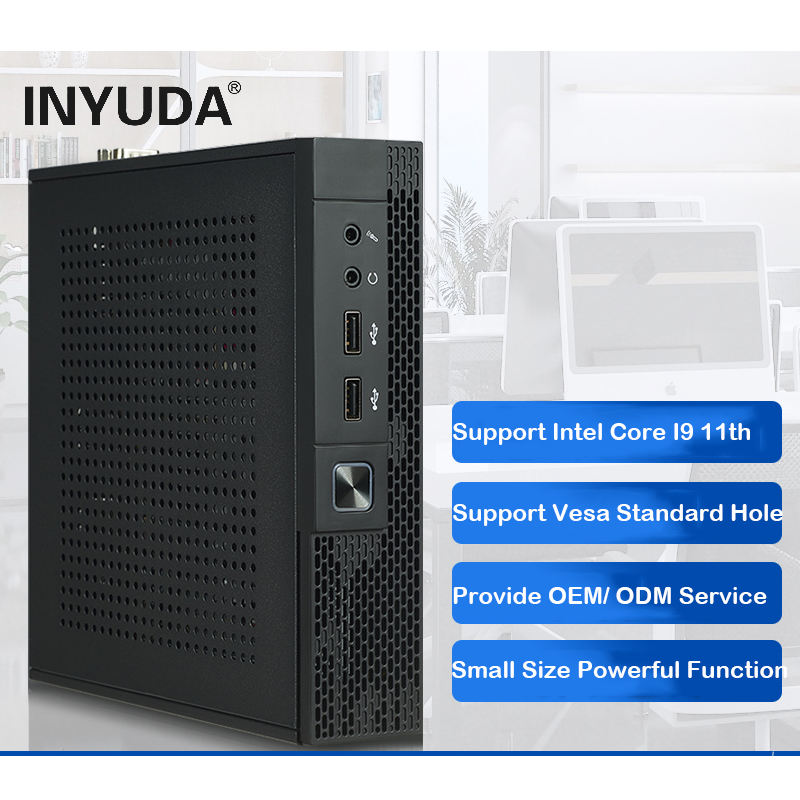
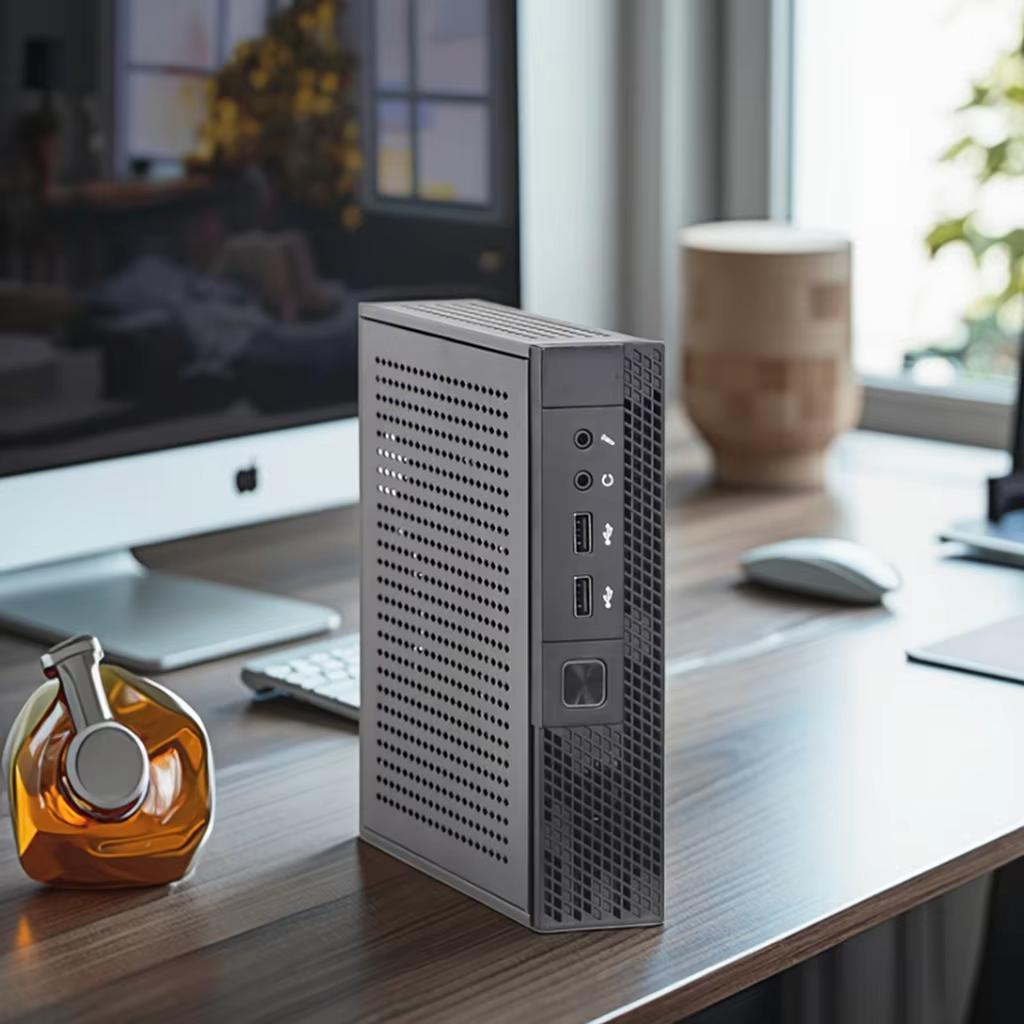
OPS PC External Appearance
Advantages of Discrete GPU OPS PCs
The discrete graphics chip is soldered directly onto the OPS PCB, creating a seamless hardware connection for stable overall operation. These modules feature small form factors, low heat generation and low power consumption, ideal for the following scenarios:
- High-definition video decoding & encoding: Without a dedicated GPU, video processing fully relies on the CPU, which often lacks sufficient performance for smooth 4K/HD playback. An onboard discrete GPU offloads all video encoding and decoding tasks, enabling fluid high-resolution video playback even with lower-tier CPUs.
- Education software workloads: Integrated graphics cards lag heavily or stutter when running 3D modeling, digital calligraphy, drawing, CAD and Photoshop. Built-in discrete GPUs deliver smooth performance for 3D graphics, rendering and design software.
- VR/AR & animation workflows: Dedicated graphics hardware is mandatory to run virtual reality, augmented reality and animation design software on OPS hardware.
- Commercial display equipment: Discrete GPU OPS modules power AI vending machines, self-service kiosks, information release terminals and interactive public displays.

Internal Circuit Board of OPS PC
Disadvantages of Discrete GPU OPS PCs
Constrained by compact chassis dimensions, power limits and thermal design, OPS PCs only integrate low-power discrete graphics cards such as NVIDIA GT730 and GT1030. Compared with full-size desktop dedicated GPUs, their performance is significantly limited. Additionally, the onboard GPU cannot be replaced, making them unsuitable for AAA gaming or complex high-end graphic design tasks.
Next Article
Inyuda Year-End Party: Let’s Rock 2023 & Beyond!