
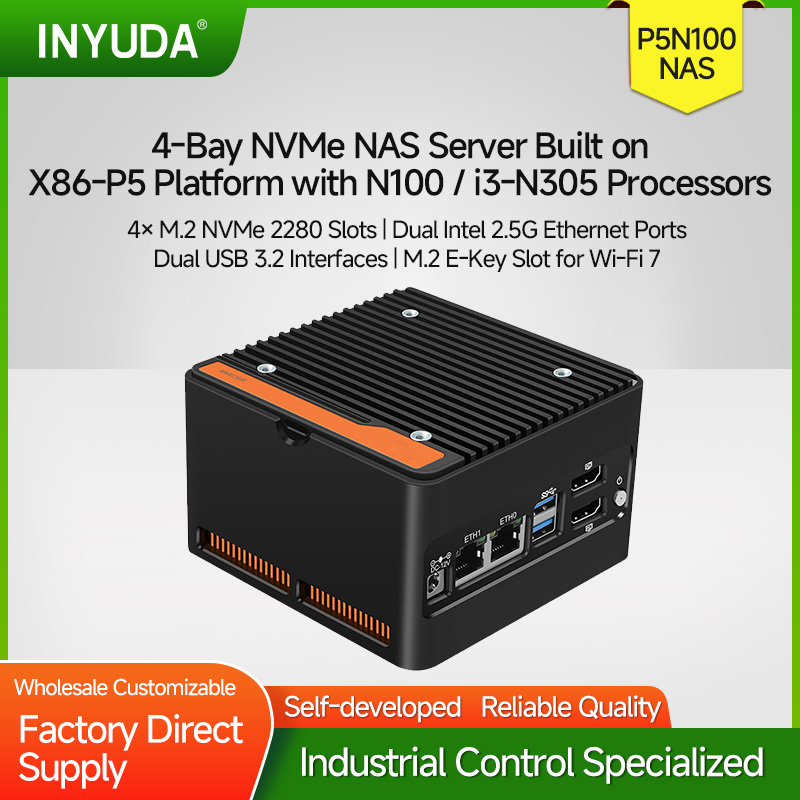
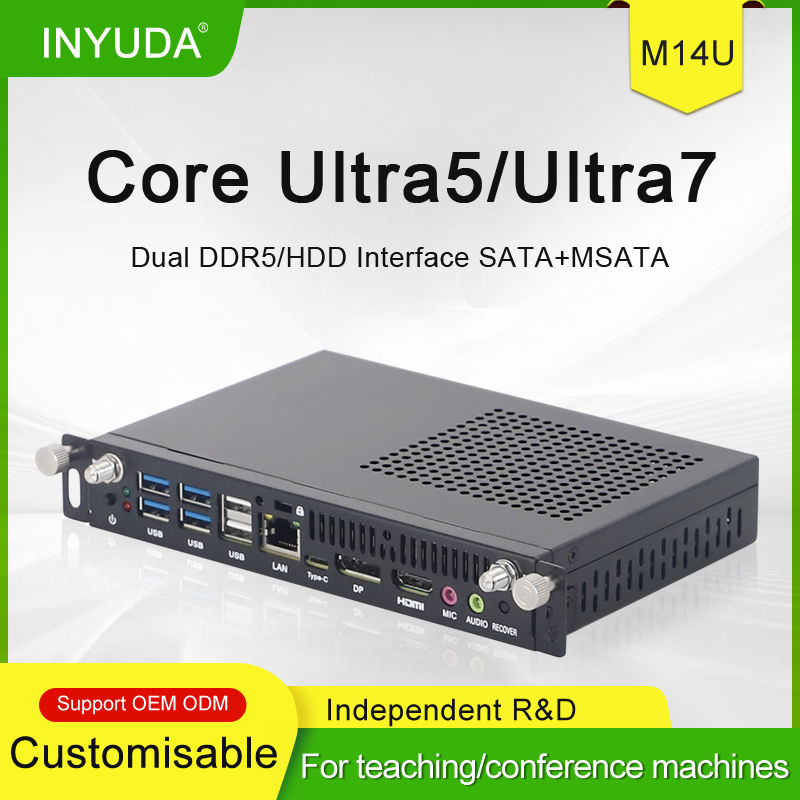


As global new‑energy infrastructure expands rapidly, intelligent charging piles, outdoor digital signage and energy‑management terminals demand reliable embedded computing hardware that can withstand complex outdoor operating environments. Conventional consumer‑grade computers cannot cope with wide temperature fluctuation, dust interference and long‑duration continuous operation, making fanless industrial PCs the core computing backbone for new‑energy smart terminals.
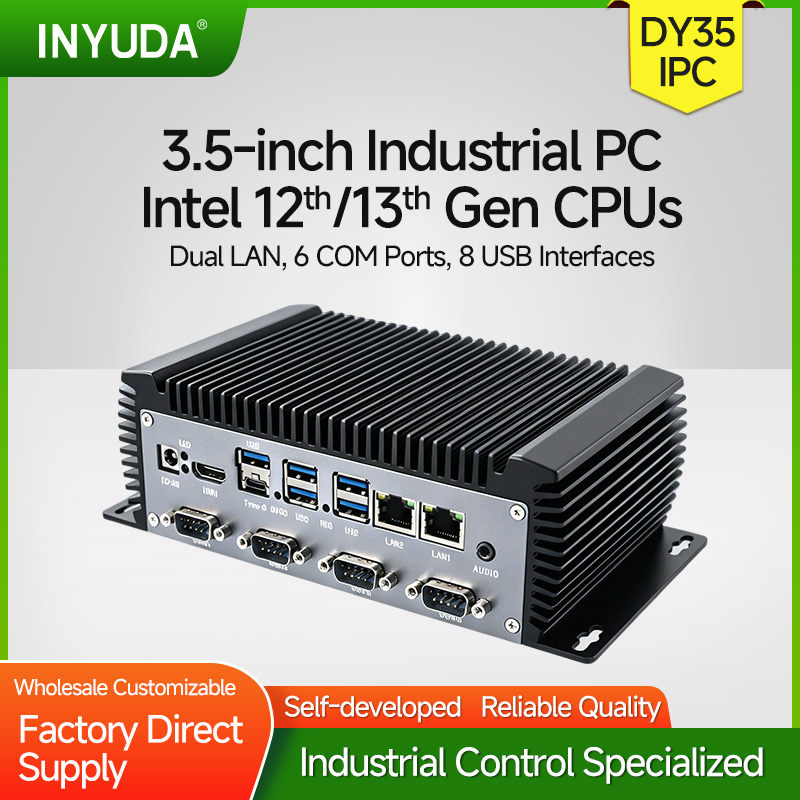
Designed for harsh field deployment, fanless industrial PCs deliver outstanding hardware reliability for charging stations and public display systems. The core product adopts full passive cooling architecture without cooling fans, eliminating failure risks caused by fan aging, dust accumulation and mechanical wear. It supports wide‑temperature operation, stable running under extreme high and low ambient temperatures that frequently occur in outdoor charging stations. With optimized EMC electromagnetic compatibility design, the device resists strong electromagnetic interference generated by charging power modules, avoiding system crash or data packet loss during high‑power charging cycles.
In terms of peripheral expansion capability, this industrial hardware reserves abundant industrial‑grade interfaces. Multiple RS232/RS485 serial ports realize stable data interconnection with charging control units, energy‑metering modules and sensor groups. Dual or multi‑Gigabit Ethernet ports support real‑time data upload toward cloud management platforms, accomplishing charging status monitoring, transaction data transmission and remote device maintenance. Rich USB, HDMI and audio interfaces connect local touch screens, outdoor display panels and peripheral accessories, satisfying multi‑media interaction requirements for human‑machine terminals. Rich I/O resources leave adequate space for secondary development and OEM customization, which perfectly matches personalized hardware demands from new‑energy solution integrators.
This series of industrial computers targets two core application scenarios shown in the visual: smart EV charging stations and outdoor digital signage.
For electric‑vehicle charging terminals, the industrial PC acts as local edge gateway. It processes user touch interaction, manages charging logic, collects power consumption data, executes real‑time equipment status diagnosis, and supports offline operation when network connection is unstable. Even under frequent power surge interference from charging guns, the computing unit maintains 7×24‑hour non‑stop operation, greatly lowering on‑site maintenance frequency.
For outdoor smart advertising and information display screens deployed at charging stations, the industrial box PC drives high‑brightness display panels. It handles content playback, schedule management, local AI data statistics such as passenger‑flow counting, and synchronizes information release for charging service notifications. Different from indoor players, this hardware adapts to variable outdoor climate conditions, ensuring stable media output for long‑term public operation.

Beyond charging‑station scenarios, the hardware can also be extended to photovoltaic monitoring terminals, energy‑storage cabinet control systems and new‑energy factory production‑line vision inspection equipment. Whether deployed in open‑air parking lots, highway service areas or new‑energy manufacturing workshops, it delivers consistent computing performance.
In the new‑energy industry, hardware stability directly determines overall operational efficiency. System integrators no longer merely pursue peak computing parameters; they attach higher importance to environmental adaptability, long‑term reliability and flexible expandability. Fanless industrial PCs bridge cloud platforms and field physical equipment, undertaking edge computing, local control and data‑transmission tasks. As smart new‑energy infrastructure keeps scaling up, high‑quality embedded industrial hardware will remain irreplaceable core components for the whole industry chain.